FID recognizes that good health and adequate nutrition are fundamental to human dignity, productivity, and sustainable development. In a context marked by fragile health systems, recurrent disease outbreaks, and high levels of malnutrition, FID works to strengthen community health services and improve nutritional outcomes for vulnerable populations, particularly women, children, and displaced communities.
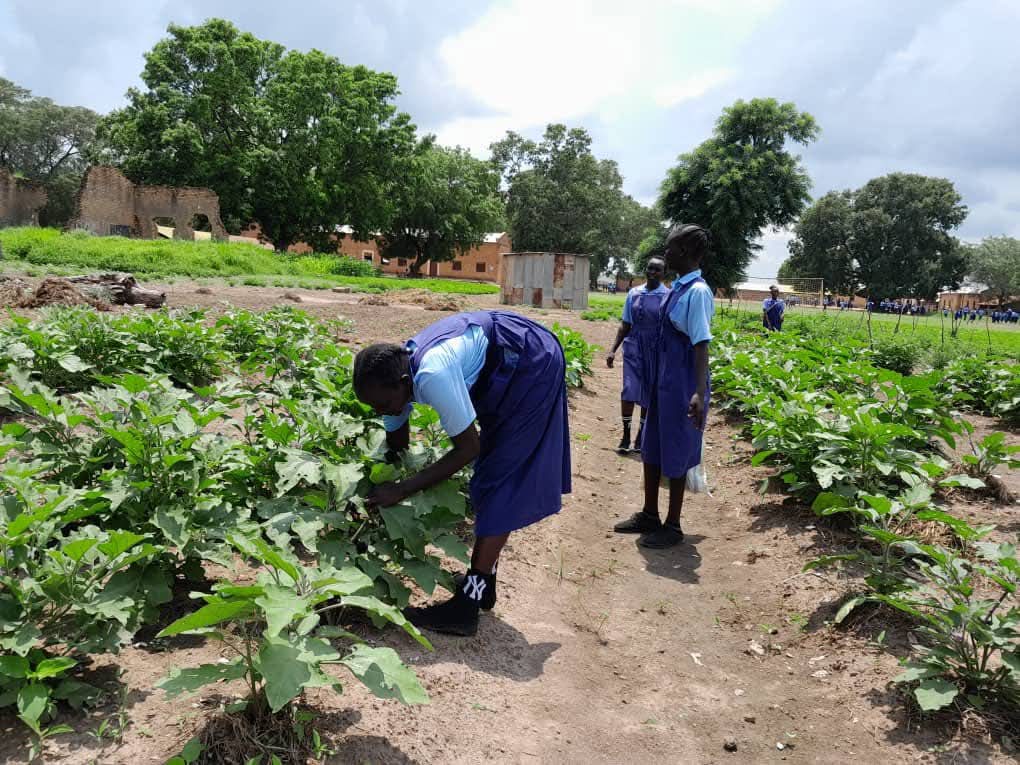
FID recognizes that good health and adequate nutrition are fundamental to human dignity, productivity, and sustainable development. In a context marked by fragile health systems, recurrent disease outbreaks, and high levels of malnutrition, FID works to strengthen community health services and improve nutritional outcomes for vulnerable populations, particularly women, children, and displaced communities.
The Foundation for Inclusive Development (FID) is a South Sudanese nongovernmental, non-political, and non-profit organization dedicated to fostering inclusive, sustainable development and promoting social equity.
A peaceful, equitable, and inclusive South Sudan where every individual has the opportunity to thrive and live in dignity.
Address: Gudele Residential Area, Next to Gudele Hospital Juba, South Sudan
Email: info@fid-ss.org
© 2026 All Right Reserved by Foundation for Inclusive Development (FID) | Designed by: Nugsoft